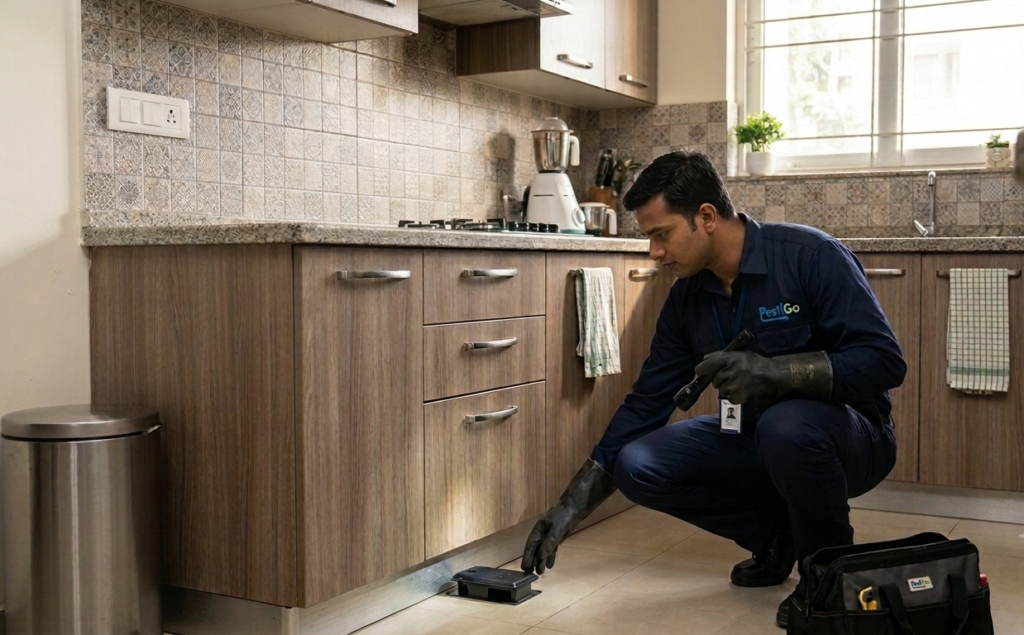
Rats and mice are among the most common household and commercial pests. They can enter properties through small openings, drainage areas, damaged doors and gaps around pipes. Once inside, they may hide in kitchens, ceilings, storage rooms, warehouses and other undisturbed spaces.
Rodent infestations can create several problems for property owners. Rats and mice may damage electrical wiring, contaminate stored food, chew furniture and leave droppings in different areas of a building. Their presence can also create hygiene concerns for families and employees.
In growing urban areas like Pune, maintaining clean residential and commercial spaces is important for reducing rodent activity.
If you are looking for effective rodent control in Pune, understanding why rats and mice enter buildings and how to prevent them can help protect your property.
In this guide, PestiGo shares 10 practical rodent prevention tips and explains when professional pest control services may be required.
Rats and mice usually enter properties in search of food, water and shelter. Homes, apartments, restaurants, offices and warehouses can provide suitable conditions for rodents if preventive measures are not maintained.
Some common reasons include:
Identifying these conditions is the first step towards effective rodent prevention.
Lizard Control in Pune: Causes, Prevention Tips and Effective Solutions
Read this blog
Food availability is one of the main reasons rodents enter residential and commercial properties.
Store grains, cereals, snacks and other food products in airtight containers. Avoid leaving uncovered food on kitchen counters or dining tables overnight.
Restaurants, grocery stores and warehouses should also maintain proper food storage practices to reduce the chances of rodent activity.
Open garbage bins can attract rats and mice by providing easy access to food waste.
Use garbage containers with secure lids and dispose of waste regularly. Clean the surrounding area to prevent food residue from accumulating.
For apartment societies and commercial buildings, maintaining common garbage disposal areas is particularly important.
Rats and mice can enter through surprisingly small openings.
Inspect doors, windows, ventilation areas, plumbing connections and wall gaps for possible entry points.
Seal suitable openings using appropriate rodent-resistant materials. Install door sweeps and maintain protective screens where necessary.
Remember that sealing entry points is an important part of long-term rodent prevention.
Kitchens provide food, water and hiding places for rodents.
Clean countertops, remove food crumbs and wash dishes regularly. Pay special attention to areas beneath refrigerators, kitchen cabinets and sinks.
Avoid leaving pet food or leftover meals uncovered overnight.
Regular cleaning can help make your kitchen less attractive to rats and mice.
Unused cardboard boxes, old newspapers, clothing and stored materials can provide shelter for rodents.
Organise storage rooms and avoid keeping unnecessary items in dark corners.
Store belongings in suitable containers and inspect storage spaces regularly for signs of rodent activity.
Damaged drainage systems and openings around plumbing connections may provide possible access routes for rodents.
Check drainage covers, repair damaged pipes and inspect gaps around plumbing connections.
If you notice unusual activity near drains or bathrooms, arrange an appropriate inspection to identify the source.
Overgrown vegetation, accumulated leaves and outdoor garbage can provide shelter for rodents.
Trim vegetation around buildings, remove unnecessary debris and keep outdoor storage areas organised.
Avoid placing food waste near building entrances and maintain cleanliness around balconies, gardens and parking areas.
Rats and mice may chew electrical wires, packaging materials and wooden objects.
Inspect vulnerable areas regularly and look for damaged wiring, gnaw marks and unusual debris.
If you notice damaged electrical wiring, contact a qualified electrician. Do not attempt to handle exposed or damaged wires yourself.
Identifying rodent activity early can help prevent the problem from becoming more serious.
Common warning signs include:
If you notice these signs, investigate the affected areas and consider professional assistance.
Termite Control: How to Protect Your Home and Furniture from Termite Damage
Read this blog
Basic hygiene and preventive measures can reduce rodent activity, but established infestations may require professional attention.
A professional pest control inspection can help identify entry points, affected areas and the extent of the infestation.
The appropriate rodent management approach depends on the property type, infestation level and surrounding conditions.
PestiGo provides pest control solutions for residential and commercial properties in Pune, including rodent management and other common pest control services.
Rodent problems can be difficult to manage when rats and mice have access to multiple hiding places or entry points.
Professional pest management can help property owners understand the source of the problem and select suitable control methods.
Some potential benefits include:
Professional treatment should always be supported by proper sanitation, waste management and building maintenance.
Rodents prefer areas where they can find shelter and remain undisturbed.
Some common hiding places include:
Kitchen cabinets: Food storage areas and spaces beneath sinks can attract rodents.
False ceilings: Rats may hide and move through ceiling spaces.
Storage rooms: Cardboard boxes and unused materials provide potential nesting areas.
Garages and parking areas: Clutter and access to outdoor spaces can encourage rodent activity.
Drainage areas: Certain damaged drainage connections may provide possible access routes.
Regular inspection of these areas can help identify problems early.
Rats and mice are attracted to food, water and shelter. Uncovered garbage, food waste, clutter and gaps around buildings can encourage rodent activity.
Store food in airtight containers, keep garbage bins covered, clean food residue and seal suitable gaps around doors and plumbing connections.
Yes. Mice can enter through very small openings, while rats can also use gaps around doors, pipes and damaged building structures. Seal suitable openings with appropriate materials.
Rats can contaminate food and surfaces with urine and droppings. They may also damage electrical wiring and stored materials. Avoid direct contact with rodents and their waste.
Consider professional assistance when you notice recurring droppings, scratching sounds, damaged food packets or repeated rodent sightings.
Businesses should maintain proper food storage, regular waste disposal, building maintenance and periodic inspections of vulnerable areas.
Rats and mice can create hygiene concerns and damage property if their activity is not addressed properly. Regular cleaning, secure food storage, waste management and sealing entry points are important steps towards preventing rodent problems.
However, recurring infestations may require professional inspection and suitable pest management solutions.
PestiGo offers residential and commercial pest control services in Pune to help address common pest problems, including rodents, cockroaches, mosquitoes and termites.
If you are experiencing rat or mouse problems at your home, office or commercial property, contact PestiGo to discuss your requirements and explore suitable rodent control solutions.
Protect your property with effective rodent prevention and professional pest management from PestiGo.