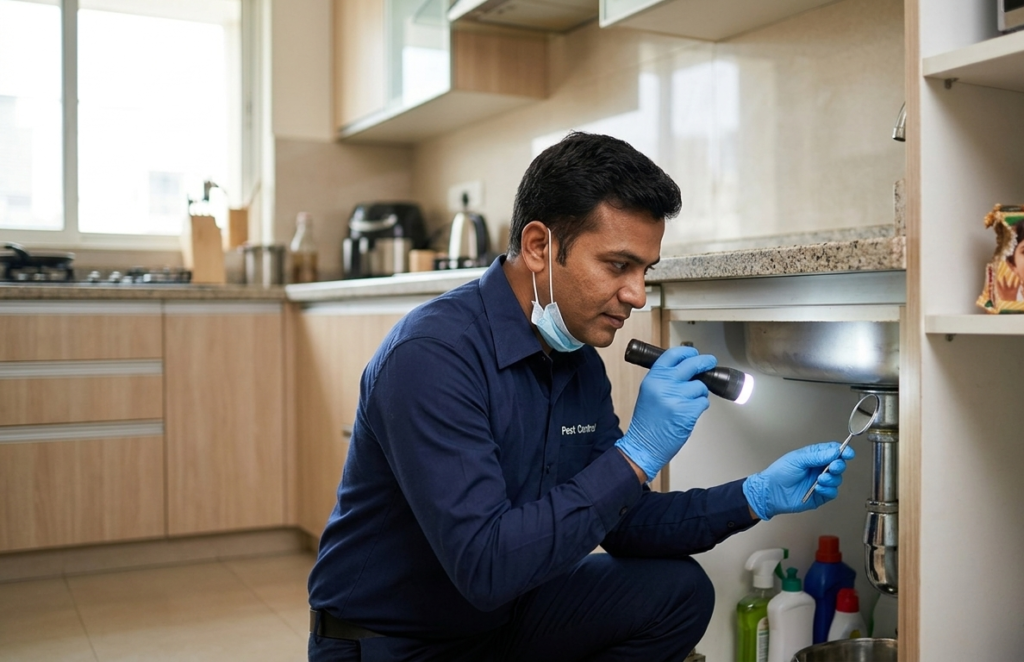
Rats and mice can become a serious concern for homeowners and businesses in Pune. They may enter properties through small openings, damaged drains, gaps around pipes, poorly sealed doors and other access points. Once inside, rodents can contaminate food, damage electrical wiring, chew through packaging and create unhygienic conditions.
Rodent problems can occur in residential apartments, independent houses, warehouses, restaurants, shops and commercial buildings. Food availability, clutter, waste accumulation and accessible shelter can make a property attractive to rats and mice.
Effective rat control in Pune requires more than removing a rodent that has been spotted. Identifying entry points, improving sanitation, reducing hiding places and selecting suitable control methods are essential for addressing the problem.
In this guide, PestiGo Care explains how to identify rodent activity, prevent rats from entering your property and understand when professional rat pest control may be needed.
Rats usually enter buildings in search of food, water and shelter. Urban areas provide several potential sources, including food waste, storage spaces, drainage systems and building gaps.
Some common reasons for rodent activity include:
Construction activity and changes in the surrounding environment may also disturb rodent habitats and encourage movement into nearby properties.
In apartment complexes, the source may be outside an individual flat. Shared garbage areas, parking spaces, service ducts and drainage infrastructure can contribute to recurring rodent activity.
Rats are often active at night and may remain hidden during the day. However, they can leave several clues that indicate their presence.
Small, dark droppings near cupboards, food storage areas, behind appliances or along walls may indicate rodent activity. Avoid touching droppings with bare hands, and follow appropriate cleaning precautions.
Droppings alone may not identify the exact rodent species, so other signs should also be considered.
Repeated scratching, movement or gnawing sounds from ceilings, false ceilings, wall cavities or storerooms may indicate rodents moving through concealed spaces.
Investigate persistent noises rather than assuming they are harmless.
Rats and mice continually gnaw on various materials. Look for fresh damage to food packaging, wooden objects, plastic containers and other accessible materials.
Gnawing on electrical cables is particularly concerning because damaged wiring can create electrical hazards.
Torn packets, chewed containers and food that appears disturbed may suggest rodent activity in kitchens, pantries or commercial storage areas.
Store dry food in sturdy, tightly sealed containers and inspect storage shelves regularly.
Rodents often travel close to walls and established routes. Repeated movement may leave dark smudge marks along skirting boards, pipes or narrow passageways.
These marks are not conclusive on their own but can help identify areas that need further inspection.
Rats may use paper, fabric, cardboard and other soft materials to build nests in hidden or undisturbed areas.
Check behind stored items and inside suitable concealed spaces without reaching blindly into them.
Dogs or cats may repeatedly investigate a particular cupboard, wall opening or storage area. This can be a clue, although pet behaviour alone cannot confirm an infestation.
If several warning signs appear together, a more thorough inspection may be appropriate.
8 Warning Signs of Termites in Your Home and How to Prevent Them
Read this blog
Preventive measures help make a property less attractive to rodents and reduce opportunities for entry.
Inspect areas around pipes, cables, doors, windows, ventilation openings and service ducts. Seal suitable gaps using durable, rodent-resistant materials appropriate for the location.
Small rodents can enter through surprisingly narrow openings. Pay particular attention to spaces behind kitchen cabinets and around utility connections.
Do not block ventilation systems or drainage openings in ways that create other safety or maintenance problems.
Keep grains, snacks, pet food and other food items in tightly closed containers. Avoid leaving uncovered food on kitchen counters overnight.
Clean spills promptly and inspect cupboards for damaged packets. Businesses that store large quantities of food should use suitable storage systems and maintain regular stock inspections.
Use bins with secure-fitting lids and empty them regularly. Clean food residue from indoor and outdoor waste containers.
In housing societies, coordinate with the maintenance team to keep garbage collection areas clean and prevent waste from accumulating around buildings.
Cardboard boxes, old newspapers, unused furniture and stored fabrics can provide shelter for rodents.
Keep storage areas organised and avoid placing boxes directly against walls where inspections become difficult. Use appropriate storage racks and check stored materials periodically.
Inspect drainage covers, utility openings and areas where pipes enter the building. Arrange repairs for damaged infrastructure and remove unnecessary debris around the property.
Outdoor maintenance can reduce shelter opportunities, although rodents may still travel from neighbouring areas.
Clean beneath refrigerators, ovens and kitchen cabinets where food particles may accumulate. Check areas around sinks and plumbing for leaks or gaps.
Regular cleaning combined with secure food storage can reduce the resources available to rodents.
If rats are appearing in several flats or common areas, individual household measures may not be enough.
Ask the housing society or property manager to inspect waste disposal areas, basements, parking spaces, drainage systems and service ducts. Coordinated action can help address shared sources of rodent activity.
The appropriate rat control method depends on the severity of the problem, the location of rodent activity and the presence of children, pets, food preparation areas or other sensitive environments.
Suitable traps can help capture rodents in areas where activity has been identified. Placement should be based on rodent movement patterns and carried out in accordance with product instructions.
Keep traps inaccessible to children and pets, and inspect them as directed. Traps should be part of a wider prevention plan rather than the only measure used.
Rodenticide bait may be considered in certain circumstances, but it requires careful selection and responsible handling.
Improperly placed bait can expose children, pets and non-target animals to poisoning. Dead rodents may also end up in inaccessible spaces. Where bait is necessary, professional assessment and appropriate secured bait stations can help manage these risks.
Never place rodent poison near uncovered food, drinking water or food preparation surfaces. Follow all label instructions and local requirements.
Exclusion means blocking the routes rodents use to enter a building. Sealing gaps, repairing damaged screens and addressing structural openings can help prevent further access.
This step is especially important when rodents keep returning after being removed.
Cleaning food spills, securing waste, reducing clutter and maintaining outdoor spaces make the property less attractive to rodents.
These measures support trapping and other control methods while reducing the likelihood of future activity.
How to Prevent Termites at Home: 10 Effective Tips
Read this blog
Some minor rodent problems may be managed with careful sanitation and suitable traps. Professional rat control may be a better option when the source or extent of the problem is unclear.
Consider arranging an inspection if:
A professional inspection can help identify likely entry points, determine the extent of activity and recommend a control plan suitable for the property.
A responsible service should assess the problem before recommending treatment.
The technician examines visible rodent signs, potential entry points, food storage locations and areas where rodents may be hiding.
The inspection considers sanitation, structural gaps, waste management and possible access routes from surrounding areas.
Depending on the findings, the provider may recommend appropriate traps, secured bait stations where justified, exclusion measures or a combination of methods.
The technician should explain precautions for children, pets, employees and food preparation areas. Ask for clear instructions about the treatment and any restricted areas.
Follow-up inspections may be useful to assess ongoing activity, check control devices and confirm whether additional entry points need attention.
The exact process varies with the property and severity of the infestation. No responsible provider should promise that a single visit will permanently eliminate every possible rodent problem.
Rat control costs in Pune vary depending on the size and type of property, the severity of the infestation and the treatment method required.
Factors that may influence the quotation include:
Before booking a service, request a clear quotation explaining the treatment areas, proposed methods, safety precautions and any additional charges.
For larger properties, restaurants and warehouses, ask whether the provider can recommend a suitable ongoing monitoring plan.
Choosing a suitable pest control provider involves more than comparing prices.
Look for these factors before booking:
PestiGo Care can help homeowners and businesses explore suitable pest control options based on their requirements.
Both may leave droppings, gnaw marks and damaged food packaging. Their size, droppings and activity patterns can provide clues, but a professional inspection may be needed to identify the rodent accurately.
Rodents may move through some drainage or utility routes, depending on the building’s design and condition. Damaged covers, gaps and poorly sealed service openings can also provide access. A property inspection can help identify the likely route.
Rodenticides can be dangerous if used incorrectly. Accidental exposure can harm children, pets and other animals. Use them only as directed by the label, and consider professional help where safe placement and monitoring are concerns.
Rodents may return if entry points remain open, food waste is accessible or neighbouring areas continue to support rodent activity. Long-term control usually requires both appropriate treatment and preventive measures.
Store food in sealed containers, clean spills promptly, secure garbage, inspect plumbing gaps and reduce clutter. Check behind appliances and under cabinets for signs of activity.
Professional assessment can be particularly useful for food businesses and commercial premises, where rodent activity may affect hygiene, stored goods and operations. Businesses should also maintain sanitation, waste management and appropriate monitoring procedures.
The scope depends on the provider and service package. Ask whether structural exclusion and repairs are included in the quotation or need to be arranged separately.
Rats can damage property, contaminate food and create ongoing hygiene concerns. The most effective approach combines early detection, secure food storage, proper waste management, entry-point sealing and suitable control methods.
If you are noticing droppings, scratching sounds or gnaw marks, avoid ignoring the signs. Identifying the problem early can help limit damage and make treatment more manageable.
Looking for rat control in Pune? Contact PestiGo Care to discuss your property’s pest control needs and explore suitable inspection, treatment and prevention options for your home or business.